Journalism prof offers his take in Forbes Magazine on news outlets that he ranks as ethical and trustworthy

During a time when “fake news” is being spread widely on social media and politicians are engaging in “alternative facts” to make their arguments, where can you go to find objective news?

Paul Glader, an associate professor of journalism at The King’s College in New York City and a media scholar at The Berlin School of Creative Leadership, tries to answer that question. You can read his list in this piece in Forbes Magazine. Glader said he relied on accepted journalism ethical standards in making his picks.

“One key question for any publication is this: If a reporter gets facts in a story wrong, will the news outlet investigate a complaint and publish a correction? Does the publication have its own code of ethics? Or does it subscribe to and endorse the Society of Professional Journalist’s code of ethics?

So Glader offers this list of 10 large journalistic brands where he believes “you can most often find real, reported facts.” He starts with the New York Times and the Wall Street Journal. Click here for the rest of the news outlets that Glader says you can rely on. In addition to the Top 10 list, he offers several other runners up.


Posted

in

,

by

Tags:

Institute for Media and Public Trust secures major grant to propel Journalists of Color training program

By Jim Boren In a significant commitment toward fostering diversity and inclusion in San Joaquin Valley journalism, the Institute for Media and Public Trust at Fresno State has been awarded a $201,000 grant to continue its visionary Journalists of Color training program. The California Endowment grant will help fortify the ongoing success of its pioneering…

Collaborative Crusade: Journalists, funders unite at Stanford to rescue local journalism from decline

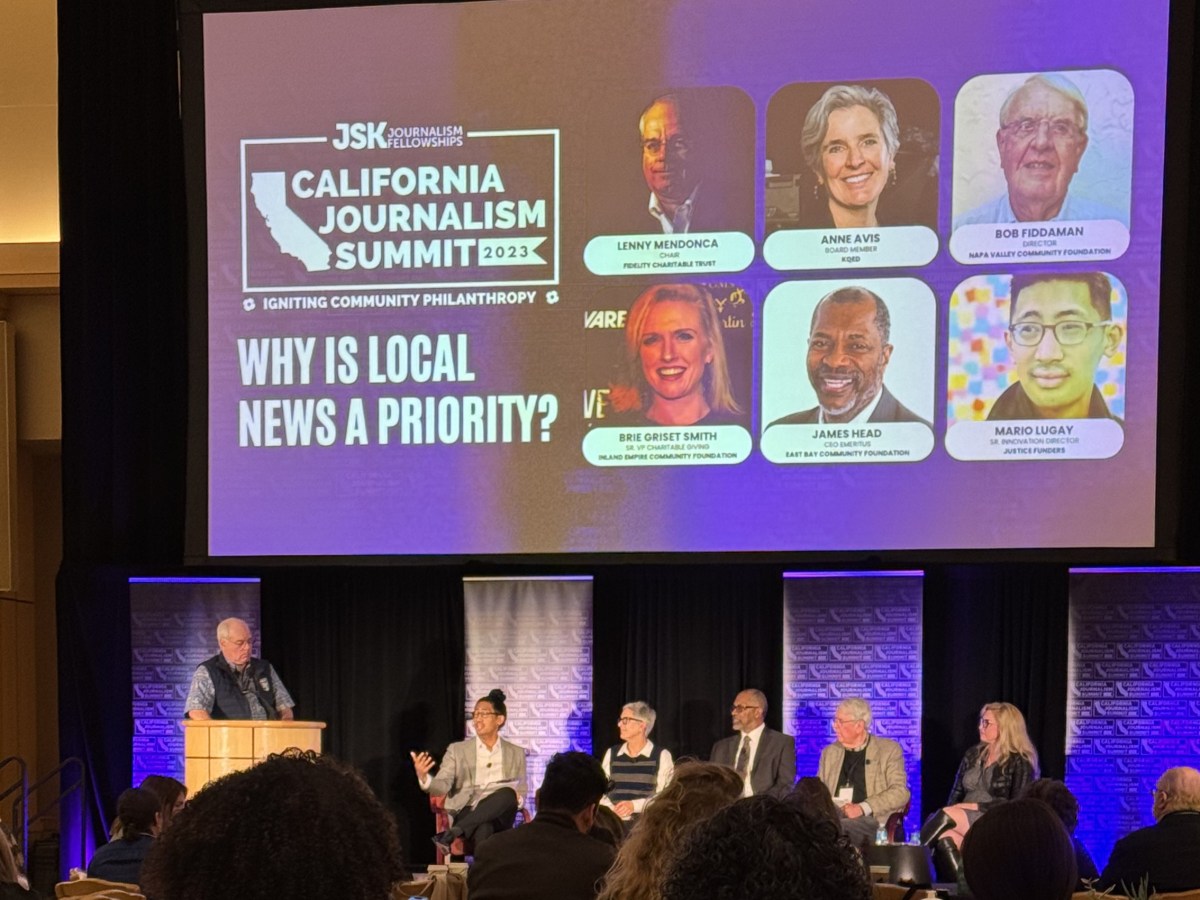
By Jim Boren The atmosphere was charged with optimism as about 200 news leaders and foundation executives convened a journalism conference at Stanford University. Their shared objective: Devise a comprehensive strategy to revitalize the precarious business model of news, especially traditional newspapers. Discussions at the California Journalism Summit revolved around cultivating sustainable support through avenues…

California plays catch-up: Two state Assembly bills require media literacy in K-12 public school curriculum.

By Lucca Lorenzi, guest author The National Center for Biotechnology Information defines social media literacy as having “knowledge and development of skills to analyze, evaluate, produce, and participate in social media, which favors critical thinking.” With millions of users on social media platforms across multiple generations, you’d expect that its common use would warrant school curriculum to…

Comments

Leave a comment