Category: Media Literacy
-

In this digital age, media literacy is crucial to a functioning democracy. So why isn’t it a higher priority in our schools?
With Elon Musk taking over Twitter and allowing an anything-goes policy on postings, the change has renewed the debate over the role that social media platforms should play in limiting the spread of misinformation on their sites. We believe that platforms should do all they can to keep their sites free of phony content, but…
-
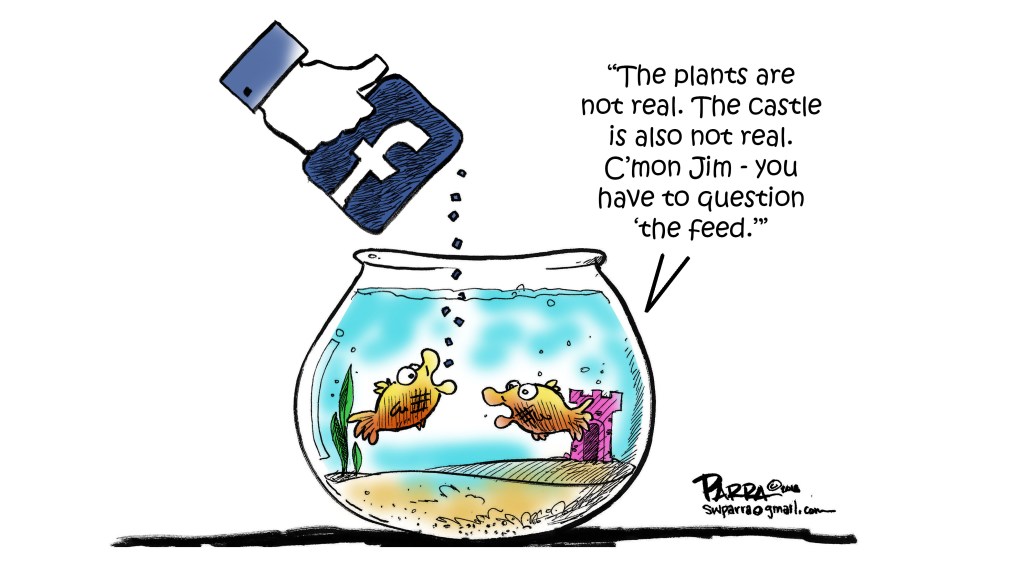
Many still confuse ‘misinformation’ with ‘disinformation’ when discussing false content on the internet. Here’s the difference.
“Misinformation” is inaccurate information that is spread on social media regardless of the intent to mislead, while “disinformation” is false information that is spread with the express purpose of duping people. This can be done for many reasons. It could be a political smear, which you will see a lot during election season, or it…
-

National News Literacy Week starts on Monday, and it’s an opportunity improve your news literacy skills
News Literacy Week, which runs from Jan. 24-28, has a goal of encouraging news consumers to “practice news literacy and to strengthen trust in news media by reinforcing the role of credible journalism.” The week is presented by the News Literacy Project and The E.W. Scripps Company. This issue, of course, is at the heart…
-

We’re celebrating our 3rd birthday with an increased focus on improving media literacy and exposing disinformation
When we established the Institute for Media and Public Trust at Fresno State three years ago, I was asked if our work to identify fake news and promote media literacy represented short-term problems that would sort themselves out in a few years on their own. We now know that these challenges not only aren’t going…
-

Media literacy is crucial for anyone who uses a digital device. It should be an educational priority in K-12 schools.
In our 21st century society, we use computers to access almost everything we do. Consider how many times that you’ve logged onto the internet today to shop, check bank account balances, use social networks and work remotely from home. But the problem for many is that they have little understanding of how their personal information…
-
We’ve compiled 8 tips for identifying false content that you may encounter on the Internet. Use them to be a smart media consumer.
Look past your personal political biases. This is crucial in sorting out news content. We often believe the worst about people or politicians we despise. Those biases can blind us to what we are sharing on social media, even if there are red flags that suggest the stories may not be factual. Do you recognize the…
-
Concerned about phony content on the internet? Empower yourself by embracing media literacy and becoming a wise digital consumer.
If anyone thinks misinformation and disinformation challenges will diminish now that the divisive 2020 presidential election has been settled, they aren’t watching the next phase of information manipulation. It’s only going to get worse, especially as many news consumers seek out information silos that confirm their political biases. Gone are the days when we had…
-
Join us to improve media literacy and fight ‘disinformation’ by making an end-of-the-year donation to the Institute for Media and Public Trust at Fresno State
You can help improve media literacy and support our other work at the Fresno State Institute for Media and Public Trust by making an end-of-the-year donation to the Institute. In 2020, we focused on identifying fake news involving the election and the pandemic and added a new program to train journalists of color to help…
-
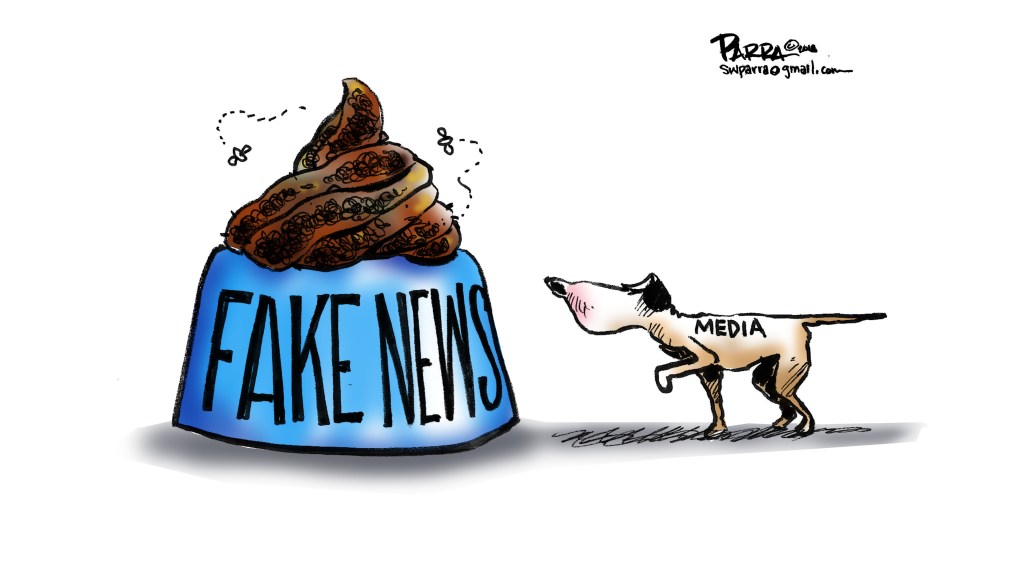
Fake News 101: Here’s the difference between ‘misinformation’ and ‘disinformation.’ We also discuss how ‘bots’ drive false news on social media.
We spend much of our time at the Institute for Media and Public Trust studying misinformation and disinformation that is shared on social media, and part of our mission is to empower news consumers with the tools to spot false content. We learned in 2020 that this quest remains a major challenge in our society.…
-
Pandemic and election offer those pushing misinformation opportunity to confuse public with fake news posted to phony social media accounts
News consumers have a huge challenge today sorting through fake news and misinformation on the COVID-19 pandemic, and the Nov. 3 presidential election. Even in normal times, fake news has been ever growing through social media, phony news sites and other technological devices created to mislead the public about basic facts. But the pandemic and…
 Institute for Media and Public Trust at Fresno State