Category: Media Literacy
-

Media literacy is crucial for anyone who uses a digital device. It should be an educational priority in K-12 schools.
In our 21st century society, we use computers to access almost everything we do. Consider how many times that you’ve logged onto the internet today to shop, check bank account balances, use social networks and work remotely from home. But the problem for many is that they have little understanding of how their personal information…
-
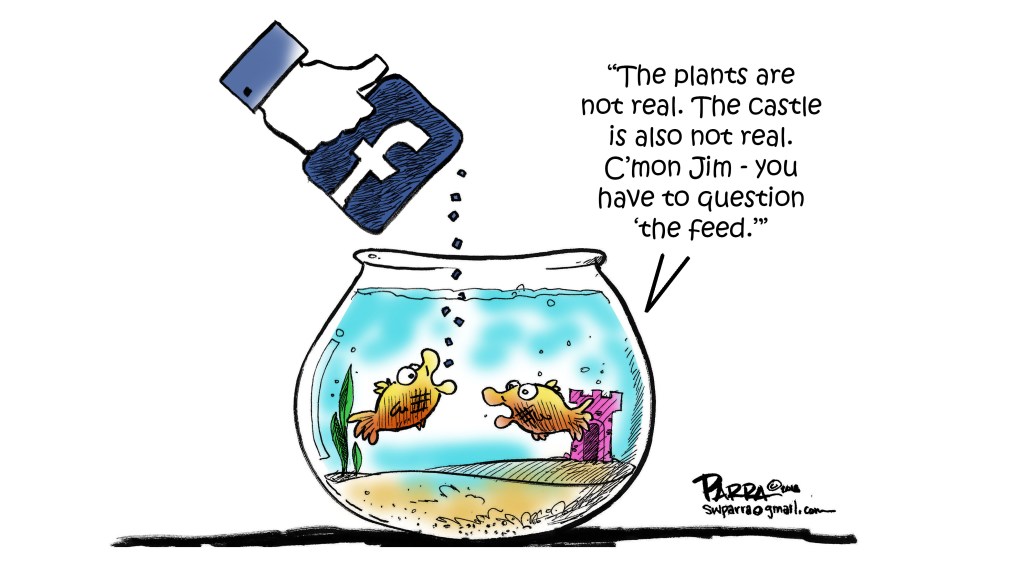
We’ve compiled 8 tips for identifying false content that you may encounter on the Internet. Use them to be a smart media consumer.
Look past your personal political biases. This is crucial in sorting out news content. We often believe the worst about people or politicians we despise. Those biases can blind us to what we are sharing on social media, even if there are red flags that suggest the stories may not be factual. Do you recognize the…
-
Concerned about phony content on the internet? Empower yourself by embracing media literacy and becoming a wise digital consumer.
If anyone thinks misinformation and disinformation challenges will diminish now that the divisive 2020 presidential election has been settled, they aren’t watching the next phase of information manipulation. It’s only going to get worse, especially as many news consumers seek out information silos that confirm their political biases. Gone are the days when we had…
-
Join us to improve media literacy and fight ‘disinformation’ by making an end-of-the-year donation to the Institute for Media and Public Trust at Fresno State
You can help improve media literacy and support our other work at the Fresno State Institute for Media and Public Trust by making an end-of-the-year donation to the Institute. In 2020, we focused on identifying fake news involving the election and the pandemic and added a new program to train journalists of color to help…
-
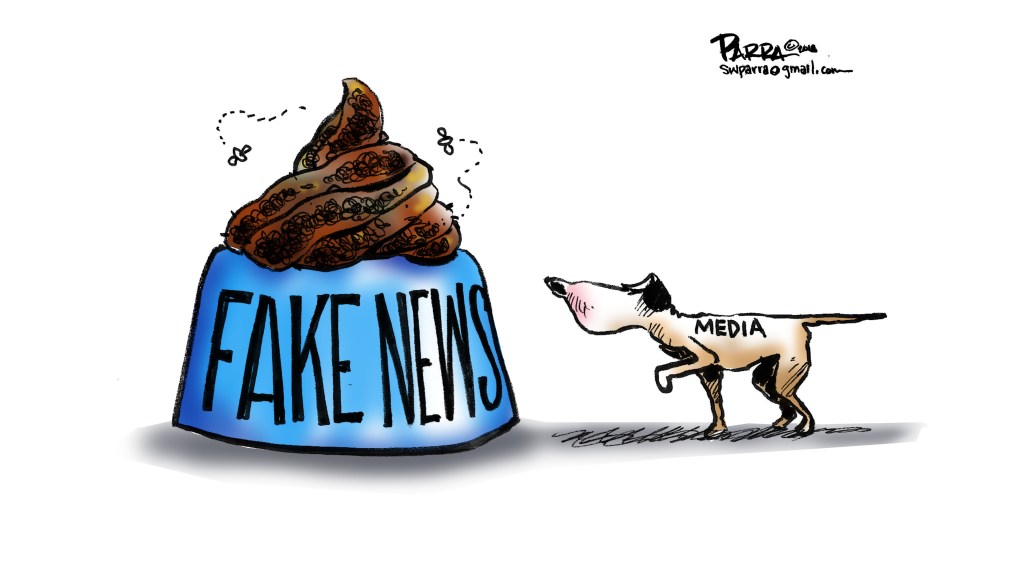
Fake News 101: Here’s the difference between ‘misinformation’ and ‘disinformation.’ We also discuss how ‘bots’ drive false news on social media.
We spend much of our time at the Institute for Media and Public Trust studying misinformation and disinformation that is shared on social media, and part of our mission is to empower news consumers with the tools to spot false content. We learned in 2020 that this quest remains a major challenge in our society.…
-
Pandemic and election offer those pushing misinformation opportunity to confuse public with fake news posted to phony social media accounts
News consumers have a huge challenge today sorting through fake news and misinformation on the COVID-19 pandemic, and the Nov. 3 presidential election. Even in normal times, fake news has been ever growing through social media, phony news sites and other technological devices created to mislead the public about basic facts. But the pandemic and…
-
Don’t be misled by those who are pushing dangerous misinformation about coronavirus pandemic
It is not surprising that with the COVID-19 pandemic, there are those who are attempting to use this crisis to spread misinformation, “phish” for personal information to rip people off and push conspiracy theories about all sorts of dark motives for the virus taking hold across the globe. One of the reasons we created the…
-

In times of crisis, we need journalists giving us facts and guiding us to resources that will help us cope
I have appreciated the many news outlets that have been giving me important and useful information about the coronavirus in my community, as well as those that have been informing me about what’s going on nationally and internationally. Early in this crisis, we heard many people and some politicians saying this was an “emergency” manufactured…
-
Use these tips and you won’t be caught sharing ‘fake news’ on social media
Concerned about fake news? Here are eight smart ways to determine if the news content you are seeing on your digital device is legitimate. Look past your personal biases. This is crucial in sorting out news content. We often believe the worst about people or politicians we despise. Those biases can blind us to what…
-
In this digital age, too many lack even the most basic media literacy tools
We’ve been spending a lot of time discussing media literacy and fake news in our advanced reporting classes at Fresno State, and my students have been working to increase their skills in identifying phony news content and evaluating the veracity of other sites they encounter online. But as these students gain knowledge on the subject,…
 Institute for Media and Public Trust at Fresno State