Category: Media Literacy
-
How artificial intelligence is changing the news business
For journalists, the rise of AI is creating new challenges, particularly around trust with readers, viewers and listeners. You can’t get very far into a conversation with journalists and journalism educators before artificial intelligence starts to dominate the discussion. I found myself in that conversation over dinner recently, and I asked the working editors at…
-
A question I hear often: What news sources are most reliable?
I offer some specific suggestions below — but as a rule: read broadly, question everything, and don’t overlook local news. Whether I’m giving a speech or teaching journalism students at Fresno State, one question keeps coming up: which news sources are actually reliable? My answer: read broadly. And if you want specifics about news sites,…
-
California officials want to make it harder to see what government is doing. They hope no one objects.
A proposal to restrict access to public records is fueling concerns that transparency is taking a back seat to government convenience. In California, state elected officials are seeking to restrict public access to government records — a troubling development that threatens transparency and weakens one of the public’s most important tools for holding government accountable.…
-
Media Institute at Fresno State strengthens Central Valley’s journalism and creative workforce pipeline
Through workshops, presentations, and community events, the Institute for Media and Public Trust supports media literacy efforts and helps the public better understand today’s media landscape. Eight years ago, when we launched the Institute for Media and Public Trust at Fresno State, misinformation, media literacy, and declining trust in institutions were already recognized as serious…
-
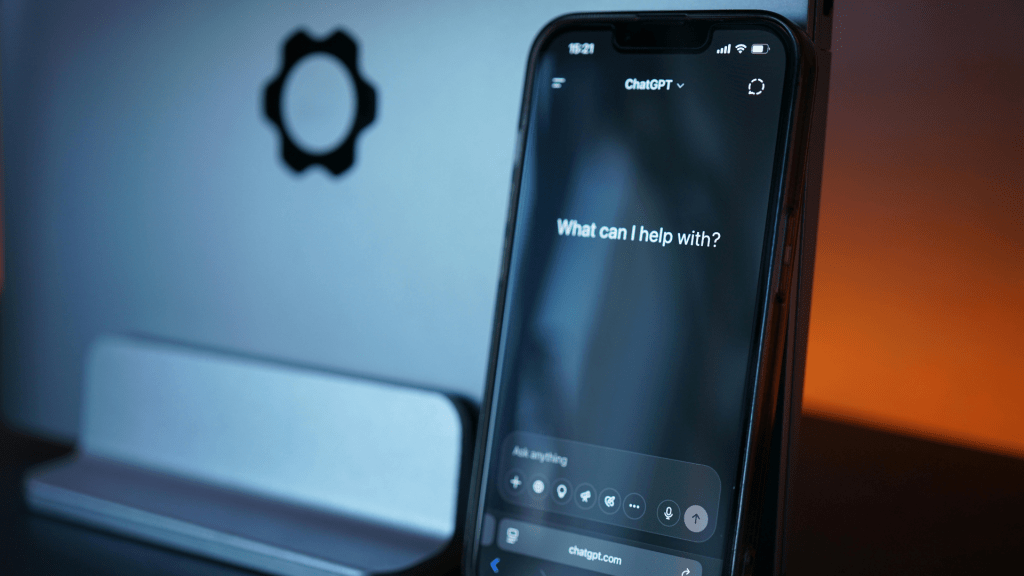
The ethics of using AI in newsrooms: A work in progress
News organizations are grappling with how to use AI responsibly while preserving public trust. We are still at the beginning of the artificial intelligence revolution, and the public is looking for clear guidance on how newsrooms are using AI to report the news. But the reality is that most news organizations are still developing their…
-

From the heart of California, a new health reporting fellowship is telling the stories of residents struggling to access health care.
Veteran journalist offers a closer look at the San Joaquin Valley’s health-care realities In the San Joaquin Valley, many families live with the quiet strain of a health care system that often fails to reach them. This is farmworker country, where small rural communities stretch for miles between towns and the nearest hospital or medical…
-

In this digital age, media literacy is crucial to a functioning democracy. So why isn’t it a higher priority in our schools?
With Elon Musk taking over Twitter and allowing an anything-goes policy on postings, the change has renewed the debate over the role that social media platforms should play in limiting the spread of misinformation on their sites. We believe that platforms should do all they can to keep their sites free of phony content, but…
-
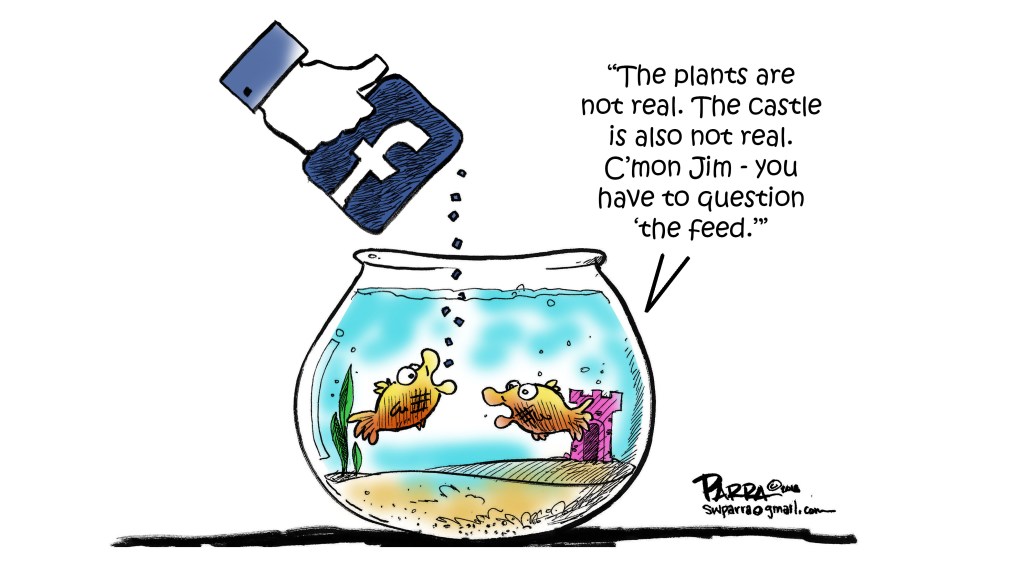
Many still confuse ‘misinformation’ with ‘disinformation’ when discussing false content on the internet. Here’s the difference.
“Misinformation” is inaccurate information that is spread on social media regardless of the intent to mislead, while “disinformation” is false information that is spread with the express purpose of duping people. This can be done for many reasons. It could be a political smear, which you will see a lot during election season, or it…
-

National News Literacy Week starts on Monday, and it’s an opportunity improve your news literacy skills
News Literacy Week, which runs from Jan. 24-28, has a goal of encouraging news consumers to “practice news literacy and to strengthen trust in news media by reinforcing the role of credible journalism.” The week is presented by the News Literacy Project and The E.W. Scripps Company. This issue, of course, is at the heart…
-

We’re celebrating our 3rd birthday with an increased focus on improving media literacy and exposing disinformation
When we established the Institute for Media and Public Trust at Fresno State three years ago, I was asked if our work to identify fake news and promote media literacy represented short-term problems that would sort themselves out in a few years on their own. We now know that these challenges not only aren’t going…
 Institute for Media and Public Trust at Fresno State