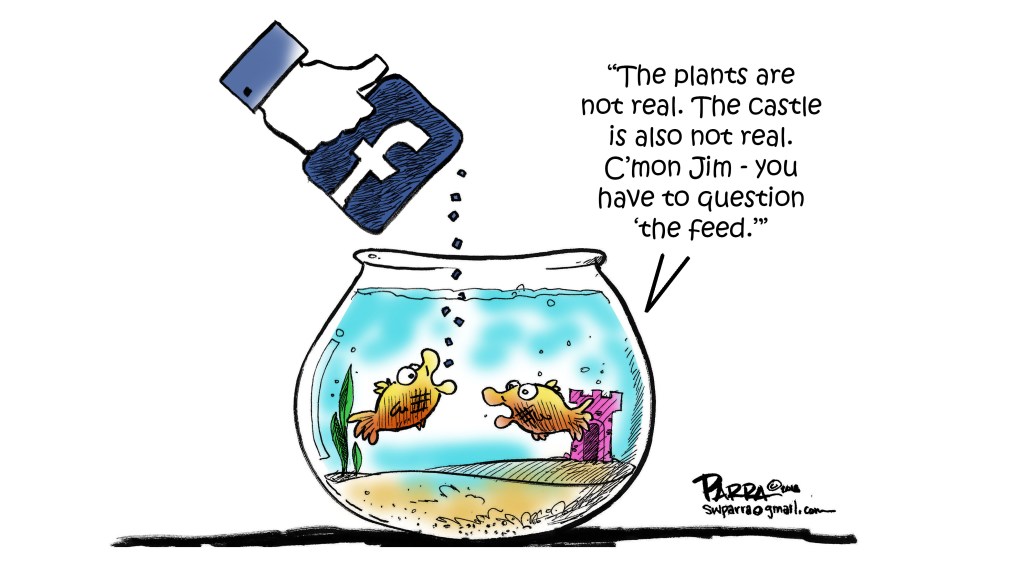
Concerned about fake news? Here are eight smart ways to determine if the news content you are seeing on your digital device is legitimate.
- Look past your personal biases. This is crucial in sorting out news content. We often believe the worst about people or politicians we despise. Those biases can blind us to what we are sharing on social media, even if there are red flags that suggest the stories may not be factual.
- Do you recognize the source of the news item? Be skeptical if it comes from a source that you’ve never heard of. That doesn’t mean it’s false, and it could come from an obscure but legitimate news outlet. But take extra time to confirm the facts on sites you may not recognize.
- Use search engines to see if anyone else is reporting this particular story. If it is as big a story as being promoted in the headline or share text on a social media site, surely other news outlets will have a version of the story at some point.
- Check the link in your browser. Many fake news sites try to mimic actual news sites. The link might have a slight variation from the legitimate news site. If the link looks odd, that’s another red flag.
- Look at other stories on the website. Does the content pass the “smell test?” Check out the writing style. Do the stories on the site have excessive capital letters, exclamation points, obvious grammatical errors, or other oddities that suggest the content may not be reliable?
- Read the “Contact Us” and “About Us” links. Are they working, and do they give information that is helpful? Can you email the story’s author?
- Go to fact-checking sites. Use them to see what they say about the news story before you post it on social media. Try factcheck.org, snopes.com, politifact.com, or other fact-checking sites. And if you have questions about the quality of a particular fact-checking site, use multiple fact-checking sites to verify the information.
- Be skeptical. It will help make you a smart news consumer.
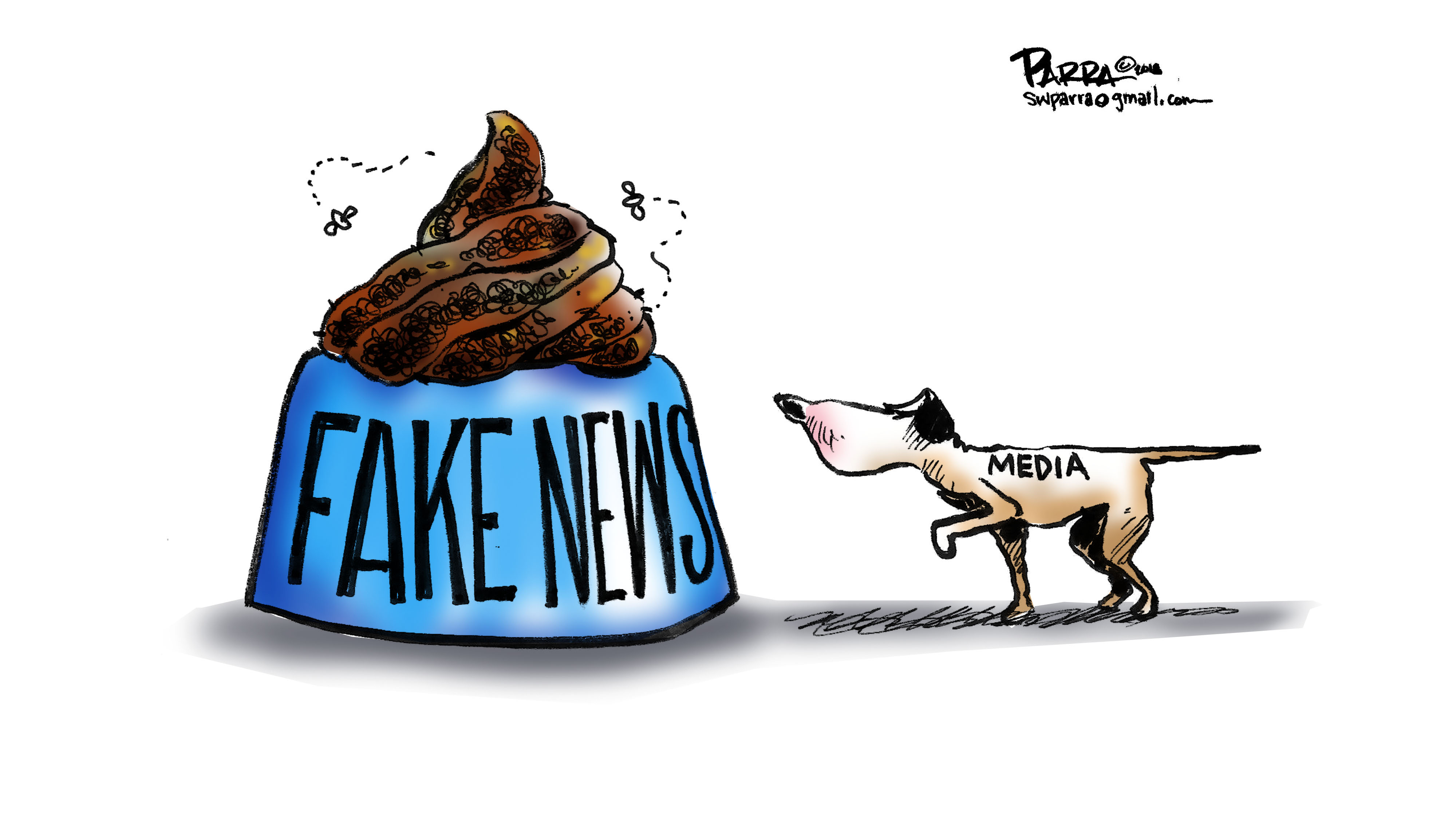
Editorial Cartoon by SW Parra. swparra.wixsite.com/mysite





Leave a Reply